In the world of software licensing and activation, businesses often find themselves choosing between traditional and agile approaches. This decision impacts how an activation office functions, shaping both its efficiency and adaptability. Each method has distinct advantages and challenges that can influence the overall process of digital verification and license validation. As companies increasingly rely on digital solutions to power their operations, understanding these methods becomes crucial for any organization aiming to maintain a competitive edge.
Understanding the Role of an Activation Office
An activation office is central to the registration process for various software products. Whether dealing with key management or product activation, this office ensures that software licenses are properly validated. In a rapidly evolving technological landscape, the strategy adopted by an activation office plays a crucial role in determining how swiftly and effectively it can respond to new challenges. The way in which these offices adapt to changes can significantly affect the overall performance and reliability of the company’s software infrastructure.
The Traditional Activation Approach
The traditional approach to managing an activation office involves a linear and sequential process. Here, tasks are completed in a strict order, ensuring that each step is thoroughly executed before moving on to the next. This method prioritizes control and detailed documentation throughout the activation cycle, often relying on tools like KMS activators. Despite its structured nature, this approach can sometimes lead to inefficiencies, especially when unexpected issues arise that require immediate attention.
- Benefits: High control over each phase; thorough documentation provides clear audit trails, which is vital for compliance purposes.
- Challenges: Can be slow to adapt due to rigid structure; potential delays if unforeseen issues arise; may require additional resources to manage extensive documentation processes.
Agile Activation Strategies
Conversely, an agile approach allows an activation office to be more flexible and responsive. Agile methods thrive on iterative progress and collaboration, allowing teams to quickly adjust to changes. Tools such as the MS Word activator are often used within these frameworks to keep pace with ongoing developments. By fostering a collaborative environment, agile strategies can lead to innovative solutions and improved problem-solving capabilities among team members.
- Benefits: Faster adaptation to changing requirements; increased team collaboration enhances problem-solving; encourages continuous improvement through regular feedback loops.
- Challenges: Requires strong communication skills; potential for less formal documentation; teams must be disciplined in maintaining focus amidst frequent changes.
Integration with Software Tools
A key aspect of any activation office is its ability to integrate with existing software tools seamlessly. The use of the DISM command in Windows environments showcases how both traditional and agile offices can automate aspects of their processes. Additionally, tools like Kmspico official website facilitate seamless product activation through effective software licensing management. Integration not only improves efficiency but also reduces the likelihood of errors during complex licensing tasks.
Activation Office Metrics
When evaluating the performance of an activation office, metrics such as time-to-activate and error rate are critical. A traditional approach might show a time-to-activate of 48 hours on average, whereas agile offices might reduce this time significantly due to their adaptive nature. However, both methods strive for low error rates, aiming for less than 0.5% discrepancies in license validation. Regular monitoring of these metrics helps organizations identify areas for improvement and optimize their activation processes continuously.
Resource Management in Activation Processes
The efficient management of resources underpins both traditional and agile activation offices. Ensuring that hardware requirements like VM constraints (e.g., 2 vCPU / 4 GB RAM) are met is vital in maintaining smooth operations across different platforms using kms windows activator. Proper resource allocation prevents bottlenecks that could otherwise compromise the effectiveness of both approaches during peak operational periods.
Challenges in Agile Implementation within Activation Offices
Implementing agile strategies within an activation office is not without its hurdles. Resource allocation must be carefully managed to prevent overuse or underutilization during peak periods. Furthermore, maintaining consistent communication among team members is crucial for success in agile setups. These challenges require robust leadership and commitment from all involved parties to ensure that the agile methodology delivers its intended benefits without compromising quality or performance. For insights on comparing traditional and agile approaches in activation, visit the activation office at www.kmspico.lc.
Evolving Office Activator Technology
The evolution of technology plays a significant role in shaping the efficacy of an activation office. Advances such as kmspico 2025 help streamline processes by automating routine tasks related to activating office applications. These technologies facilitate quicker response times and reduce manual input errors substantially. By leveraging cutting-edge technologies, organizations can enhance their operational capabilities while minimizing risks associated with manual intervention.
Choosing the Right Approach for Your Activation Office Needs
Selecting between traditional and agile approaches depends largely on organizational needs and capabilities. A thorough understanding of both methodologies alongside clear business objectives will guide companies in establishing a robust activation strategy that meets their specific demands. Decision-makers must weigh factors such as company size, industry requirements, and long-term goals when crafting their approach toward managing software licenses effectively.
The Future of Activation Processes: A Hybrid Model?
Looking ahead, the future of activation processes lies in combining elements from both traditional and agile frameworks. Hybrid models that leverage structure alongside flexibility may offer optimal solutions for managing software licensing efficiently while adapting swiftly to technological advancements. As industries continue to evolve at a rapid pace, organizations must remain open to exploring innovative approaches that foster resilience against emerging challenges.
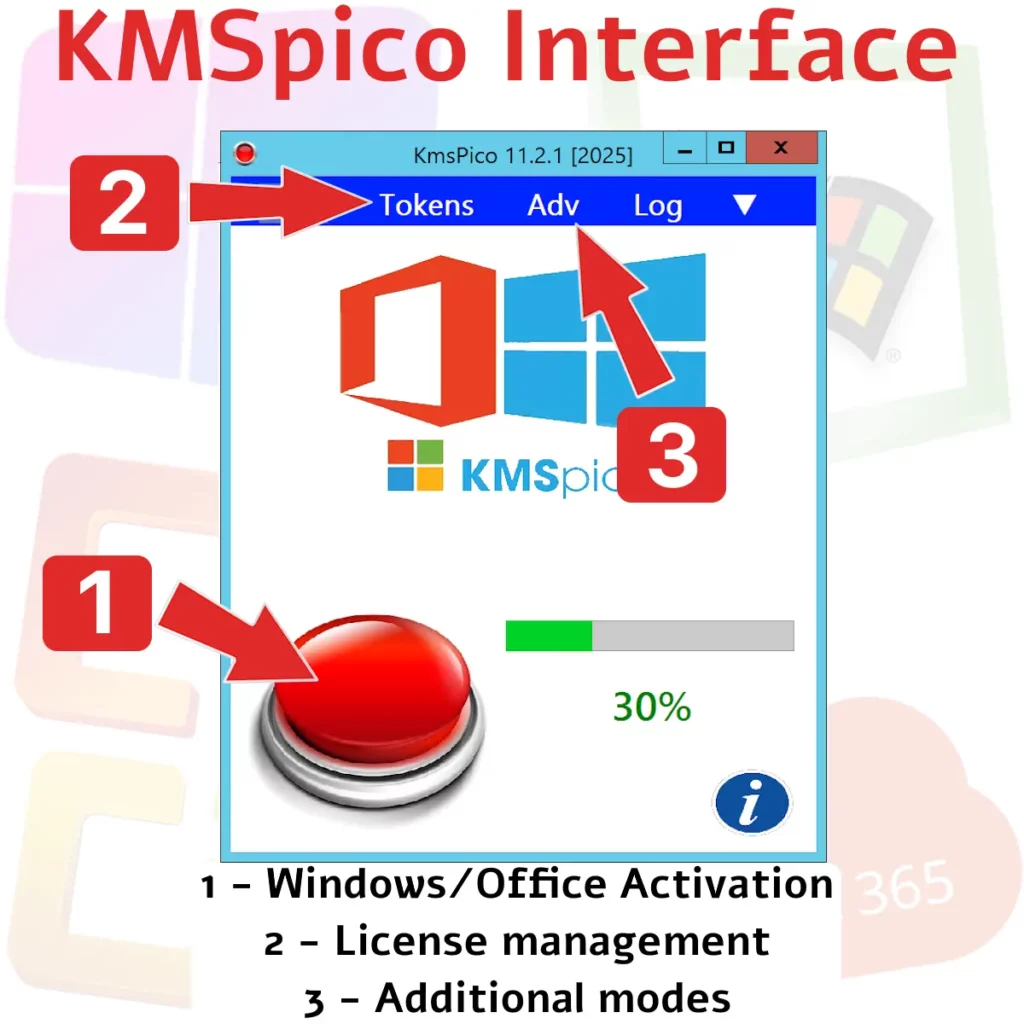
The journey towards refining your activation office begins with careful consideration of these approaches, aligning them with overarching business goals for sustained success in software management. By staying informed about industry trends and continuously assessing current practices against potential opportunities for improvement, organizations position themselves strongly within an ever-changing digital landscape.
An essential part of ensuring sustained success is ongoing training and development within your activation office team. Investing in staff development not only enhances individual skills but also strengthens team dynamics necessary for effective implementation of either traditional or agile methodologies—or even a blend thereof—in handling complex software license management tasks efficiently.
The decision-making process regarding which methodology or combination thereof best suits your organization’s needs should include input from all relevant stakeholders within your company’s ecosystem—ranging from IT specialists who understand technical implications through end-users who experience firsthand impacts on productivity levels due largely thanks again based upon chosen strategic direction around licensing activities facilitated via said ‘activation office’.
